
WHAT‘S HAPPENING
News & Events
South Australian Emerging Talent Spotlight: Grace Liu
26 February 2026
The SAFC is proud to support the 2026 Australian International Documentary Conference (AIDC), with a strong contingent of SA creatives represented at the conference, which is taking place 2–5 March in Melbourne.
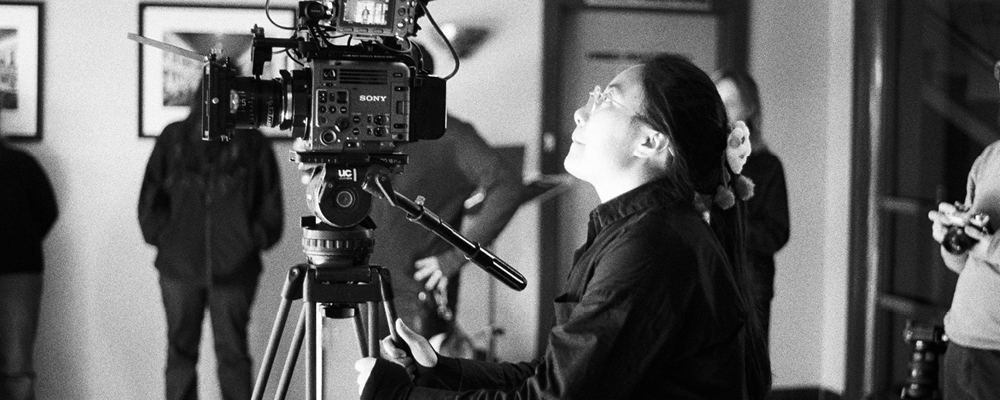
Ten SA practitioners were selected for the SAFC’s AIDC 2026 Conference Subsidy, including emerging writer/director and Director of Photography Grace Liu.
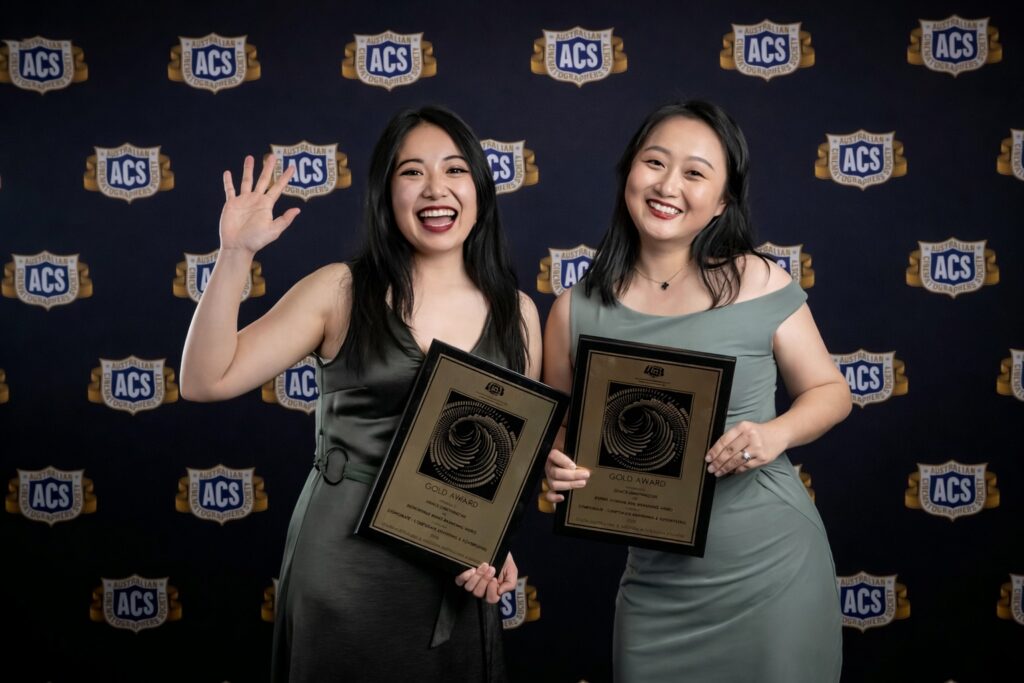
Graceinitially trained as an architect before deciding to pursue filmmaking, and in 2019 she launched her own production company Take Two Media with co-founder Wei Gao. She is a multi-award-winning cinematographer, and in 2024 she wrote and directed her short film Dancing Dragon through The Mercury’s Quicksilver Production Funding Initiative, supported by the SAFC.
A first-time AIDC attendee, Grace was also selected for AIDC’s Leading Lights initiative, designed to support emerging and diverse practitioners with a custom professional development program. She joins other SA practitioners participating in the program: Tarsha Viskic, Madison Siegertsz, and Shano Sanati and Max Brading.
We caught up with Grace to find out about her journey into the screen industry, what she’s looking forward to at the AIDC, and what advice she has for other emerging screen creatives.
How did you get started in the screen industry?
Like many people in this industry, I’ve loved going to the cinema with my family for as long as I can remember. But my formal education didn’t begin in film. My first university degree was in architecture.
Still, storytelling kept pulling me back.
I grew up in Yunnan, a region layered with cultural diversity, so I was surrounded by stories visually, linguistically, and emotionally. Weekly trips to the cinema with my parents became a ritual.
After moving to Adelaide at fifteen, I was given my first camera — a Sony AX2000e, which I still remember vividly — and I became completely obsessed. I learned by doing, freelancing for a local photography studio and shooting weddings and events. It was practical, hands-on, sometimes chaotic, but it taught me discipline and intuition.
My formal entry into the screen industry came later, when I pursued a Master of Screen and Media Production at Flinders University. At the same time, I completed a Master of Arts in Women’s Studies. Studying gender and representation gave me a real clarity about the kinds of stories I wanted to tell, and a sense of responsibility in how I tell them. Filmmaking gave me the practical tools to bring those stories from page to screen.
Film became the space where identity, migration, and belonging could coexist — not as abstract ideas, but as lived experience.
What do you love about working in the screen industry?
No two days are the same. You’re constantly solving new problems, meeting different people, and adapting to unexpected challenges.
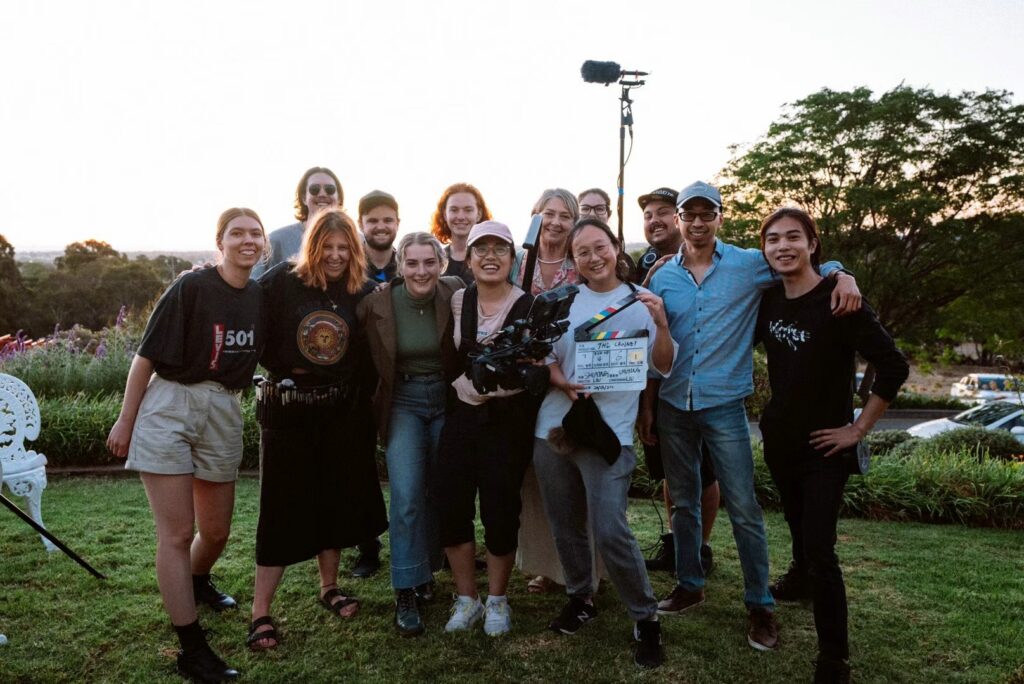
Filmmaking allows you to transform personal memory into collective experience. Every person on a project brings their own sensibility, their own interpretation, and that layering is what gives the work depth.
I also love the people. You’re surrounded by driven, curious, like-minded creatives who spark something in you. At the end of a shoot day my body might be sore, but my soul feels full, my mind feels energised, and I’m already excited for the next one.
What inspired you to launch Take Two Media?
Take Two Media evolved organically with each project. There wasn’t a single moment that we decided to launch the studio where we knew exactly what we were building.
But we were always aware that we were (and still are) a minority within the Australian production landscape: a company led by women from culturally and linguistically diverse backgrounds. That awareness gradually shaped our sense of purpose: to stay visible. To demonstrate that there is space in this industry for different voices and different cultural perspectives.
If our presence can encourage more people from underrepresented backgrounds to step into the screen industry and present their own unique vision, then that matters.
What is it like balancing being a writer/director and a Director of Photography (DoP)?
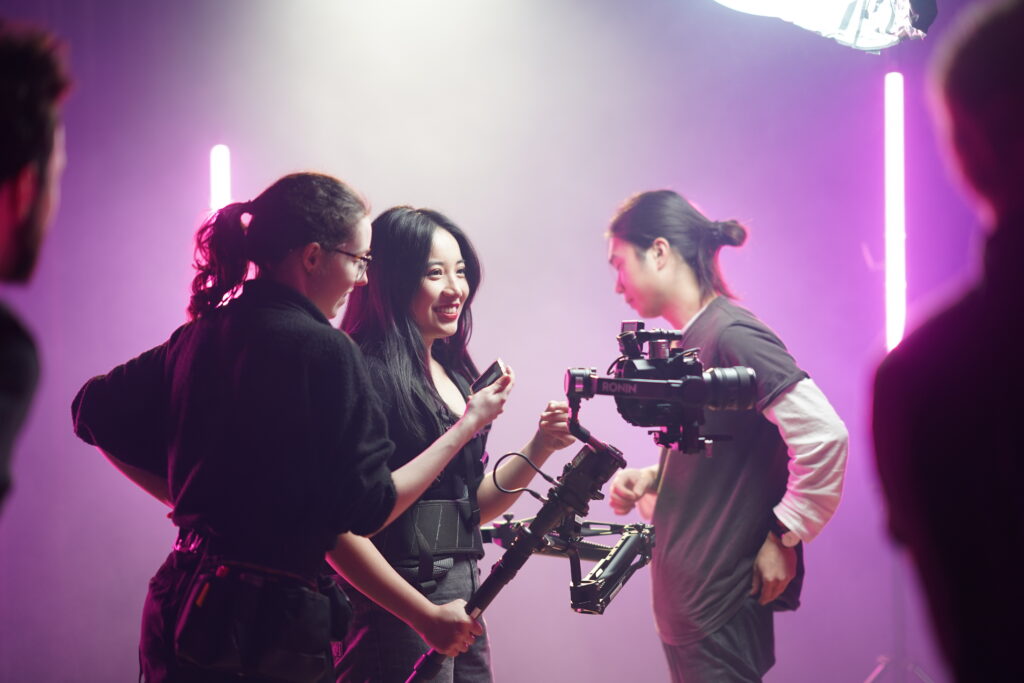
It’s hard. Each role carries its own pressure — planning, creative responsibility, logistical stress, and emotional investment. At times, they conflict. The director wants more time, the DoP knows the sun is dropping.
But having experience across multiple roles also gives me an advantage. I understand the emotional intention behind a scene and the technical realities required to achieve it. That dual perspective allows me to plan more strategically.
I also genuinely enjoy stepping into the DoP role for other directors. That’s often when I push the boundaries of my cinematography — working in styles I’m less familiar with, responding to someone else’s vision, and expanding my own visual language. That tension is exciting.
As I move further into documentary, having skills across writing, directing and cinematography allows me to develop projects nimbly before funding is secured. I can test tone, shoot proof-of-concept material, and shape the language of the film independently. That flexibility is empowering.
What is the appeal of factual filmmaking to you?
I’m genuinely excited to step into the non-fiction world. I’ve spent many years working across commercial, corporate and narrative short films, but recently I’ve felt a pull toward documentary.
In a time when technology is increasingly occupying space in the creative process, documentary feels grounding. It brings us back to what we are really searching for in stories: connection, truth, and a deeper understanding of human experience. For me, it’s a way to explore what it actually means to be human. I am particularly interested to explore stories in the context of global immigration.
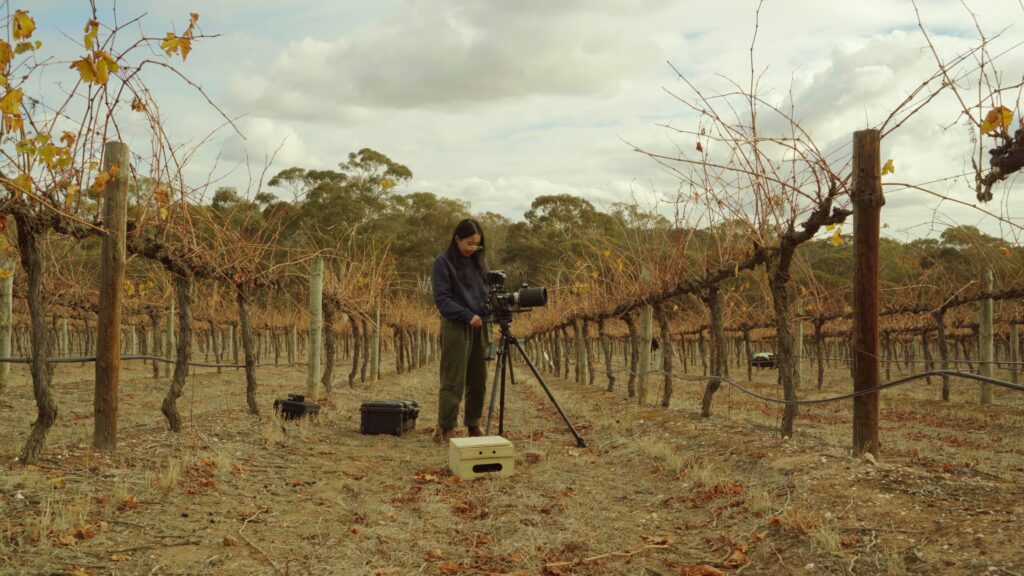
You will be attending AIDC for the first time next week. What are your goals for the conference? What are you most looking forward to?
I’m looking forward to connecting with the documentary community at AIDC, meeting like-minded filmmakers, producers and decision-makers, and building relationships that could lead to meaningful collaboration.
I’ll be bringing three concepts to the conference, all centred around female and migrant lived experiences. They’re at different stages of development, and I’m hoping to have conversations that will challenge these concepts, strengthen them, and help shape their next phase, both creatively and strategically.
It’s truly an honour to be selected for both the Leading Lights initiative and the SAFC Conference Subsidy. I hope attending AIDC represents the beginning of meaningful conversations. I’m especially looking forward to meeting the other filmmakers in the Leading Lights program and growing alongside them as a cohort.
Why do you think initiatives like the SAFC’s AIDC Conference Subsidy are important?
Subsidies like this are incredibly important for independent filmmakers. We often develop projects with very limited resources, investing enormous amounts of time, energy and personal commitment long before funding is secured. Having the subsidy removes one significant financial barrier.
Opportunities like AIDC are pivotal — they’re where projects move from private development into public conversation, and where you meet the people who can help bring them to life.
It’s also encouraging to see so many South Australian filmmakers supported in this way. It allows us to show up proudly as representatives of a vibrant and ambitious creative community, and to ensure our voices are part of the national and international dialogue.
Do you have any advice for up-and-coming creatives who are considering applying for SAFC support?
From my experience, the SAFC team genuinely wants to help filmmakers make their projects the best they can be — and to grow sustainably within the industry.
They’re not just operating in an official capacity. Often, they offer thoughtful advice drawn from their own extensive experience, and they actively help connect filmmakers with the right people at the right time.
I’d also encourage filmmakers to engage beyond just funding applications. Attend networking sessions, show up to industry events, become a familiar face within the community. Relationships in this industry matter. Being present — consistently and professionally — can open doors that you didn’t even know were there.
Where would you like to see yourself in 10 years?
If I’m still in this industry in ten years, filming in beautiful locations and working with amazing people, I’ll be happy no matter what stories I’m creating or what position I’m holding on set.
That said, I do have ambition. I would love to have made my first feature film within the next decade.
Who knows? Maybe the journey begins with this AIDC trip.